2026.07.12
 Blog
Blog
Content
In the demanding world of fiber optic manufacturing, semiconductor fabrication, and precision optical assembly, the selection of the right cleaning wipe is a critical decision that directly impacts product quality, measurement accuracy, and operational efficiency. Among the various types of cleaning tissues available, Disposable Absorbent Low-Lint Antistatic Dusting Wipers have emerged as a preferred choice for professionals seeking a reliable, contamination-free solution for sensitive surface cleaning. These advanced wipers combine superior absorbency, low-particle generation, and antistatic properties with the convenience of disposable use, making them ideal for fiber optic cleaning, precision instrument maintenance, and critical environment applications. This article provides a comprehensive technical analysis of Disposable Absorbent Low-Lint Antistatic Dusting Wipers, exploring their material composition, key performance characteristics, and the critical factors that distinguish them from alternative cleaning solutions. For quality control professionals, laboratory managers, and industrial procurement specialists seeking to make informed decisions about precision cleaning supplies, understanding the nuances of these essential tools is fundamental to ensuring contamination control and process reliability.
Before delving into the specific characteristics and applications of these wipers, it is important to establish a clear understanding of what defines disposable absorbent low-lint antistatic dusting wipers. These are specialized cleaning tissues designed for critical cleaning tasks in environments where contamination control is paramount. They are engineered to quickly and effectively remove dust, liquids, and contaminants from sensitive surfaces while minimizing the risk of particle generation, fiber shedding, or electrostatic discharge.
The "disposable" nature of these wipers ensures that each cleaning task is performed with a fresh, uncontaminated wipe, eliminating the risk of cross-contamination that can occur with reusable cleaning cloths. The "absorbent" property allows them to efficiently pick up liquids, oils, and solvents, while the "low-lint" construction ensures minimal fiber shedding, making them safe for use on delicate optical surfaces and precision components. The "antistatic" feature prevents the buildup of static electricity, which is critical for protecting sensitive electronic components and optical devices.
Compared to standard paper towels or general-purpose cleaning cloths, disposable absorbent low-lint antistatic dusting wipers offer several distinct advantages. They are manufactured with low-lint construction to help keep particle counts to a minimum, making them safe for use on delicate glass and metal surfaces. They are highly absorbent, providing effective spill control and instrument drying. They are also designed to be static-safe, making them suitable for static-sensitive applications. The disposable format ensures a fresh, clean wipe for every task, eliminating the risk of cross-contamination.
The performance of disposable absorbent low-lint antistatic dusting wipers is defined by their material composition and physical specifications. Understanding these specifications is essential for selecting the appropriate wiper for specific cleaning tasks.
Disposable absorbent low-lint antistatic dusting wipers are commonly manufactured from high-quality cellulose fibers, often with a basis weight optimized for absorbency and durability. The wipers may also utilize hydroentangled fiber blends, which provide excellent strength and softness while maintaining low-particle generation. The incorporation of antistatic agents into the fiber matrix ensures effective static dissipation, preventing electrostatic discharge that could damage sensitive electronic components or attract dust particles to cleaned surfaces.
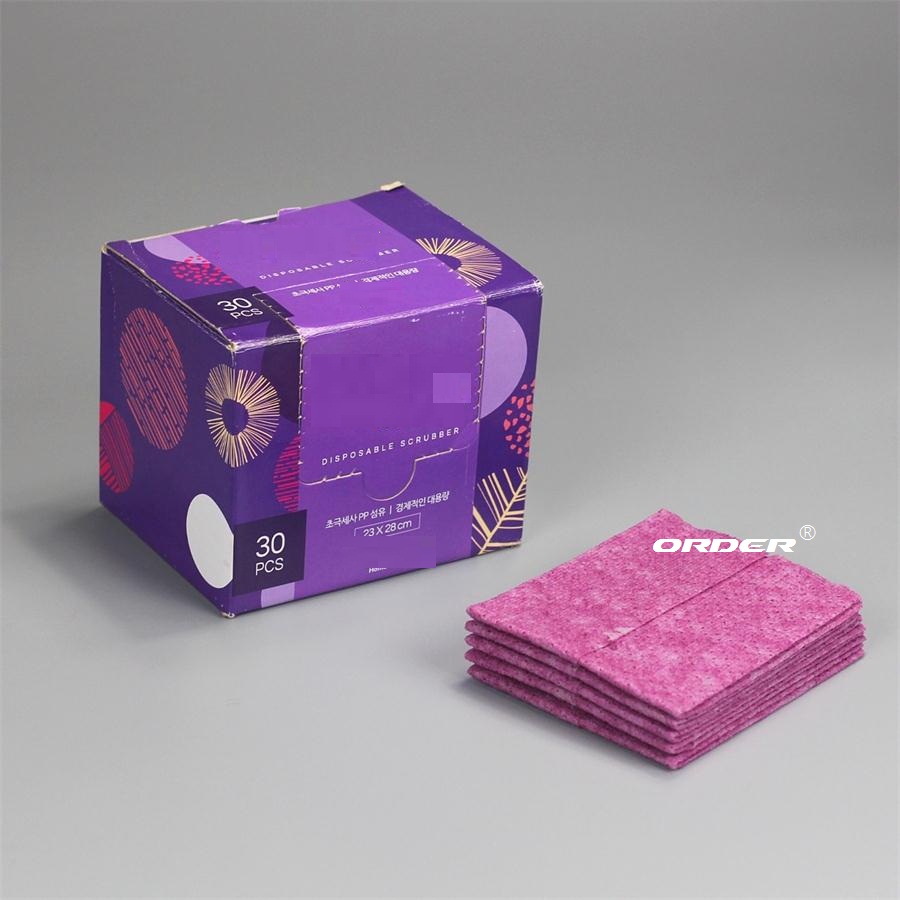
The wipers are typically available in a convenient pop-up dispenser box, with each wipe measuring approximately 11 centimeters by 19 centimeters (4.4 inches by 8 inches). This size provides a suitable surface area for most precision cleaning tasks. The pop-up dispensing system allows for single-handed, one-at-a-time extraction, reducing the risk of contamination from unused wipers. Packaging options can be customized to meet specific requirements, including material, weight, size, color, and design.
Disposable absorbent low-lint antistatic dusting wipers offer a range of performance characteristics that make them suitable for a wide variety of precision cleaning applications.
One of the most critical features of these wipers is their low-lint construction. The manufacturing process is designed to minimize the shedding of fibers, which is essential for preventing contamination in sensitive environments. This property makes them safe for cleaning delicate optical surfaces, fiber optic connectors, precision instruments, and other sensitive surfaces. In a fiber optic manufacturing environment, the use of low-lint wipers is crucial for preventing particle contamination that could interfere with signal transmission or cause insertion loss.
The antistatic properties of these wipers are essential for protecting sensitive electronic and optical components from electrostatic discharge. Static electricity can attract dust particles to cleaned surfaces, cause damage to sensitive electronic circuits, or disrupt optical measurements. The antistatic treatment ensures that the wipers dissipate static charge safely, preventing these issues and ensuring reliable cleaning results.
These wipers are highly absorbent, making them effective for controlling spills, cleaning up liquids, and drying instruments. Their composition allows them to quickly absorb water, oils, and other solvents without leaving behind residues or streaks. This absorbency, combined with their softness, ensures efficient and gentle cleaning.
The versatility of disposable absorbent low-lint antistatic dusting wipers makes them suitable for a broad range of applications:
While all cleaning tissues serve the fundamental purpose of removing contaminants, disposable absorbent low-lint antistatic dusting wipers offer distinct advantages over alternative solutions for specific applications. The following table provides a direct comparison to guide quality control professionals, laboratory managers, and procurement specialists in selecting the appropriate cleaning product for their specific needs.
| Feature | Precision Antistatic Wipers | Standard Paper Towels | General Purpose Rags |
|---|---|---|---|
| Lint Generation | Ultra-low lint, safe for critical surfaces | High lint, leaves fibers | Very high lint, particles and debris |
| Antistatic Properties | Yes, dissipates static charge | No, can generate static | No, can generate static |
| Absorbency | High, excellent for liquids and oils | Moderate to good | Varies, often low |
| Scratch Risk | Non-abrasive, safe for optics | Can scratch, especially when dry | High, can scratch surfaces |
| Disposability | Single-use, eliminates cross-contamination | Disposable | Often reusable, cross-contamination risk |
| Contamination Control | Pop-up design protects unused wipers | Exposed to environment | Exposed to environment, high risk |
| Fiber Optic Compatibility | Yes, specifically designed for optical cleaning | No, can scratch or contaminate | No, high risk of damage |
| Ideal Applications | Fiber optics, semiconductors, optics, electronics | General cleaning, spills, routine tasks | Heavy-duty cleaning, rough surfaces |
The choice between disposable absorbent low-lint antistatic dusting wipers and other cleaning solutions ultimately depends on the specific requirements of the application. If the primary need is for a low-lint, non-abrasive, antistatic, and convenient cleaning tool for critical surfaces, the precision wiper is the ideal choice. For general, non-critical cleaning tasks, standard paper towels may be sufficient. For heavy-duty applications where contamination is less of a concern, general-purpose rags may offer a cost-effective solution.
For businesses involved in international trade and manufacturing, sourcing disposable absorbent low-lint antistatic dusting wipers from a reliable supplier is paramount. Exporters should prioritize suppliers with a proven track record and established credentials, such as those with extensive industry experience, advanced manufacturing facilities, and comprehensive quality control systems. Key quality parameters to consider include material composition, consistent low-lint performance, antistatic effectiveness, packaging integrity, and adherence to relevant quality certifications.
Key quality parameters to consider when evaluating disposable absorbent low-lint antistatic dusting wipers include:
Disposable absorbent low-lint antistatic dusting wipers represent a critical consumable in modern fiber optic, semiconductor, and precision manufacturing environments. The combination of low-lint construction, antistatic properties, high absorbency, and convenient pop-up dispensing makes these wipers an essential tool for maintaining cleanliness and preventing contamination in critical applications. For quality control professionals, laboratory managers, and industrial procurement specialists, understanding the unique advantages and specifications of these wipers is essential for informed purchasing decisions. By choosing high-quality wipers from a reputable supplier, businesses can ensure the integrity of their processes, the accuracy of their measurements, and the quality of their products.
These wipers are designed for critical cleaning tasks in environments where contamination control is paramount. They are ideal for cleaning fiber optic connectors, semiconductor wafers, optical components, precision instruments, and sensitive electronic devices without causing scratches, leaving lint, or generating static charge.
The key benefits include significantly lower lint generation, making them safe for sensitive surfaces; antistatic properties to protect static-sensitive components; high absorbency for effective cleaning; a non-abrasive texture that won't scratch; and a convenient pop-up dispensing system that reduces the risk of contamination.
They are commonly manufactured from high-quality cellulose fibers or hydroentangled fiber blends. The incorporation of antistatic agents into the fiber matrix ensures effective static dissipation, preventing electrostatic discharge that could damage sensitive components.
Antistatic properties are essential for protecting sensitive electronic and optical components from electrostatic discharge. Static electricity can attract dust particles to cleaned surfaces, cause damage to sensitive electronic circuits, or disrupt optical measurements. Antistatic wipers dissipate static charge safely, preventing these issues.
Yes, these wipers are designed for use in cleanroom and controlled environments. Their low-lint construction, antistatic properties, and contamination-free dispensing make them suitable for use in ISO Class 5 and higher cleanroom classifications, as well as other critical environments requiring strict contamination control.
1. ORDER Cleanroom. (2026). Disposable Absorbent Low-Lint Antistatic Dusting Wipers Product Specifications. ORDER Cleanroom Product Catalog.
2. Thomas Scientific. (2026). Cleanroom Wipes for Critical Environments. Thomas Scientific Catalog.
3. VWR. (2026). Low-Lint Antistatic Cleanroom Wipes. Product Catalog.
4. Contec. (2025). Cleanroom Wiper Selection Guide. Contec Product Catalog.
5. Berkshire. (2025). Cleanroom Wipes for Optics and Electronics. Product Catalog.
6. International Organization for Standardization. (2019). ISO 14644-1: Cleanrooms and Associated Controlled Environments. ISO Standards.
7. American National Standards Institute. (2020). ANSI/ESD S20.20: Protection of Electrical and Electronic Parts. ANSI Standards.
8. International Organization for Standardization. (2022). ISO 9001: Quality Management Systems - Requirements. ISO Standards.
If you are interested in our products, please consult us

 contact us


 English
 日本語
日本語
 简体中文
简体中文


.jpg "Abrasive Oil Absorbent Polypropylene Cleaning Cloths for Kitchen/Bathroom")